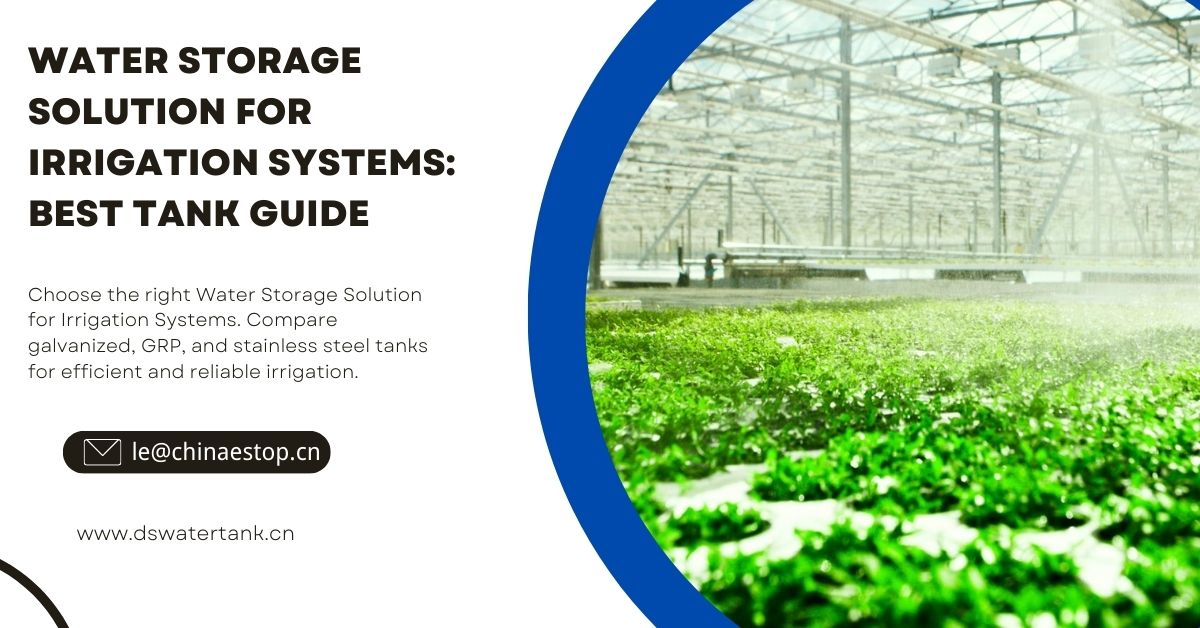

Water Storage Solution for Irrigation Systems
Introduction to Water Storage in Irrigation
A reliable Water Storage Solution for Irrigation Systems is the backbone of modern agriculture. Whether you're managing a small farm, greenhouse, or large-scale agricultural project, water storage directly affects productivity, efficiency, and long-term sustainability.
Importance of Reliable Water Storage
Water sources like rainfall and rivers are often unpredictable. Without proper storage, irrigation becomes inconsistent, leading to crop stress and reduced yields. A well-designed storage system ensures water is always available when needed.
Impact on Crop Yield and Efficiency
Consistent irrigation improves plant health, reduces water waste, and boosts crop output. Farmers who invest in proper storage systems often see significant improvements in operational efficiency.
Why Water Storage Matters in Irrigation Systems
Ensuring Continuous Water Supply
A dependable tank allows you to store water during rainy periods and use it during dry seasons. This ensures uninterrupted irrigation cycles.
Stabilizing Water Pressure
Storage tanks help regulate pressure, ensuring uniform water distribution across fields—especially important for drip and sprinkler systems.
Reducing Water Waste
Efficient storage minimizes runoff and evaporation, helping conserve water resources and reduce costs.
Types of Water Storage Tanks for Irrigation
Choosing the right tank is essential for maximizing performance.
Hot-Dip Galvanized Steel Tanks
Features and Benefits
Hot-dip galvanized tanks are widely used due to their affordability and durability.
- Cost-effective for large capacities
- Strong structure for outdoor use
- Easy modular installation
- Resistant to physical damage
Ideal Use Cases
- Large-scale farms
- Irrigation projects in Africa and the Middle East
- Non-potable water storage
GRP (Fiberglass) Tanks
Advantages and Performance
GRP tanks are known for their corrosion resistance and long lifespan.
- Excellent anti-corrosion properties
- Lightweight and easy to install
- Low maintenance requirements
- Suitable for humid climates
Best Applications
- High-humidity regions
- requiring clean water
- Long-term infrastructure projects
Stainless Steel Tanks
Key Benefits
Stainless steel tanks offer premium quality and hygiene.
- Safe for drinking water
- Extremely corrosion-resistant
- Lifespan exceeding 20 years
- Clean and easy to maintain
Recommended Use Cases
- High-end agricultural systems
- with strict water quality standards
Key Factors When Choosing a Water Storage Tank
Capacity Planning
Accurately calculate daily and seasonal water usage. Oversizing increases costs, while undersizing leads to shortages.
Climate and Environmental Conditions
- Coastal areas → require corrosion-resistant materials
- Hot regions → need UV protection
- Cold climates → require freeze-resistant designs
Water Quality Requirements
For irrigation only, galvanized tanks are often sufficient. For cleaner water needs, GRP or stainless steel is preferred.
Installation and Logistics
Modular tanks are ideal for remote areas because they:
- Are easy to transport
- Require minimal equipment
- Allow fast on-site assembly
Budget vs Long-Term Value
Consider both upfront cost and lifespan to make the best investment.
Comparing Tank Materials: Cost vs Performance
| Tank Type | Initial Cost | Lifespan | Maintenance | Best Use |
|---|---|---|---|---|
| Galvanized Steel | Low | Medium | Moderate | Large farms |
| GRP | Medium | Long | Low | Humid environments |
| Stainless Steel | High | Very Long | Very Low | High-quality water |
Best Practices for Irrigation Water Storage
Installation Guidelines
- Use a solid concrete foundation
- Ensure proper leveling
- Install overflow and drainage systems
Maintenance Tips
- Inspect regularly for leaks
- Clean tanks periodically
- Apply protective liners if needed
Efficiency Optimization
- Use filtration systems
- Monitor water usage
- Integrate smart irrigation controls
Common Mistakes to Avoid
Underestimating Capacity
Many projects fail due to insufficient storage, especially during peak seasons.
Ignoring Environmental Factors
Climate plays a major role in tank durability and performance.
Choosing Based Only on Price
Low-cost tanks may lead to higher long-term maintenance expenses.
How to Choose the Right Supplier
Certifications and Quality Standards
Look for suppliers that meet international standards like ISO certifications.
Customization Capabilities
A good supplier should provide tailored solutions based on your project needs.
After-Sales Support
Reliable technical support ensures long-term system performance.
FAQs About Water Storage Solution for Irrigation Systems
1. What is the best tank for large-scale irrigation?
Hot-dip galvanized steel tanks are ideal due to their cost-effectiveness and scalability.
2. How long do irrigation water tanks last?
Depending on the material, tanks can last from 10 to over 20 years.
3. Are GRP tanks better than steel tanks?
GRP tanks offer better corrosion resistance, but steel tanks are more affordable for large volumes.
4. Can I use the same tank for drinking and irrigation water?
Yes, but stainless steel tanks are recommended for potable water.
5. What size tank do I need?
It depends on your daily water usage, crop type, and irrigation method.
6. How do I maintain my water storage tank?
Regular inspection, cleaning, and proper installation are key to longevity.
Conclusion and Call to Action
Choosing the right Water Storage Solution for Irrigation Systems is crucial for maximizing agricultural efficiency and sustainability. Each tank type offers unique advantages, and the best choice depends on your environment, water quality needs, and budget.
For large-scale and cost-sensitive projects, hot-dip galvanized tanks provide excellent value. For long-term performance and cleaner water, GRP and stainless steel tanks are superior options.
👉 Looking for a reliable supplier?
We specialize in customized irrigation water storage solutions, offering:
- Tailor-made tank designs
- Modular systems for easy installation
- Global shipping and technical support
🔗 Learn more about irrigation best practices from the FAO Water Management Guide.
Contact us today to get a personalized solution that fits your irrigation needs and boosts your agricultural success!